Read the full formula
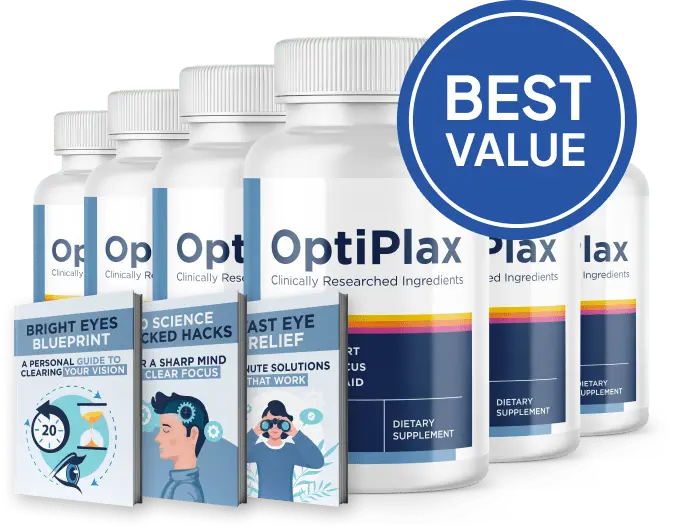
OptiPlax contains nine ingredients within a 500 mg proprietary blend. Its Supplement Facts panel lists a serving size of one capsule and thirty servings per container. A proprietary blend presents the total weight of the combined formula, while leaving the individual amount of each component undisclosed. That distinction is central to reading the ingredient list accurately.
The label combines powders, extracts and oil. It also names three other ingredients outside the blend: gelatin for the capsule, brown rice flour and silicon dioxide. This page walks through the nine entries in label order, then explains the serving information and practical questions that arise when comparing a combined formula with other supplements.
Kelp powder, leaf
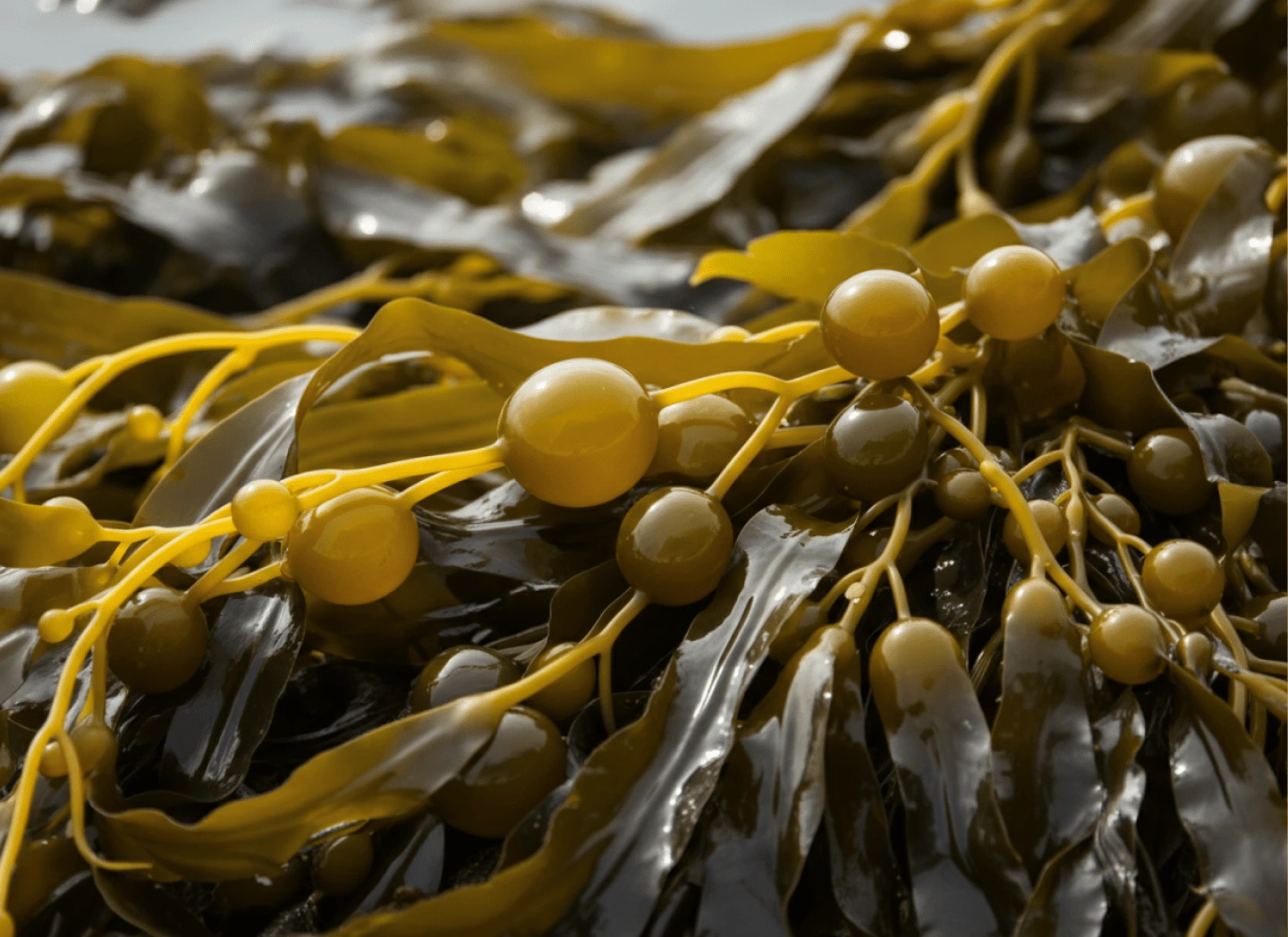
The first ingredient is kelp powder, with leaf specified as the plant part. Powder is a distinct form from the kelp extract that appears later in the same formula. Both are deliberate label entries, so counting only one would leave the ingredient list incomplete. The powder belongs to the product's broader sea-vegetable emphasis.
The label does not provide an individual kelp-powder weight or a separate iodine amount. If those quantities matter to a dietary or clinical decision, do not calculate them from the 500 mg total. Ask product support for available information and have your healthcare professional assess the actual label before adding the blend.
Wakame extract, leaf
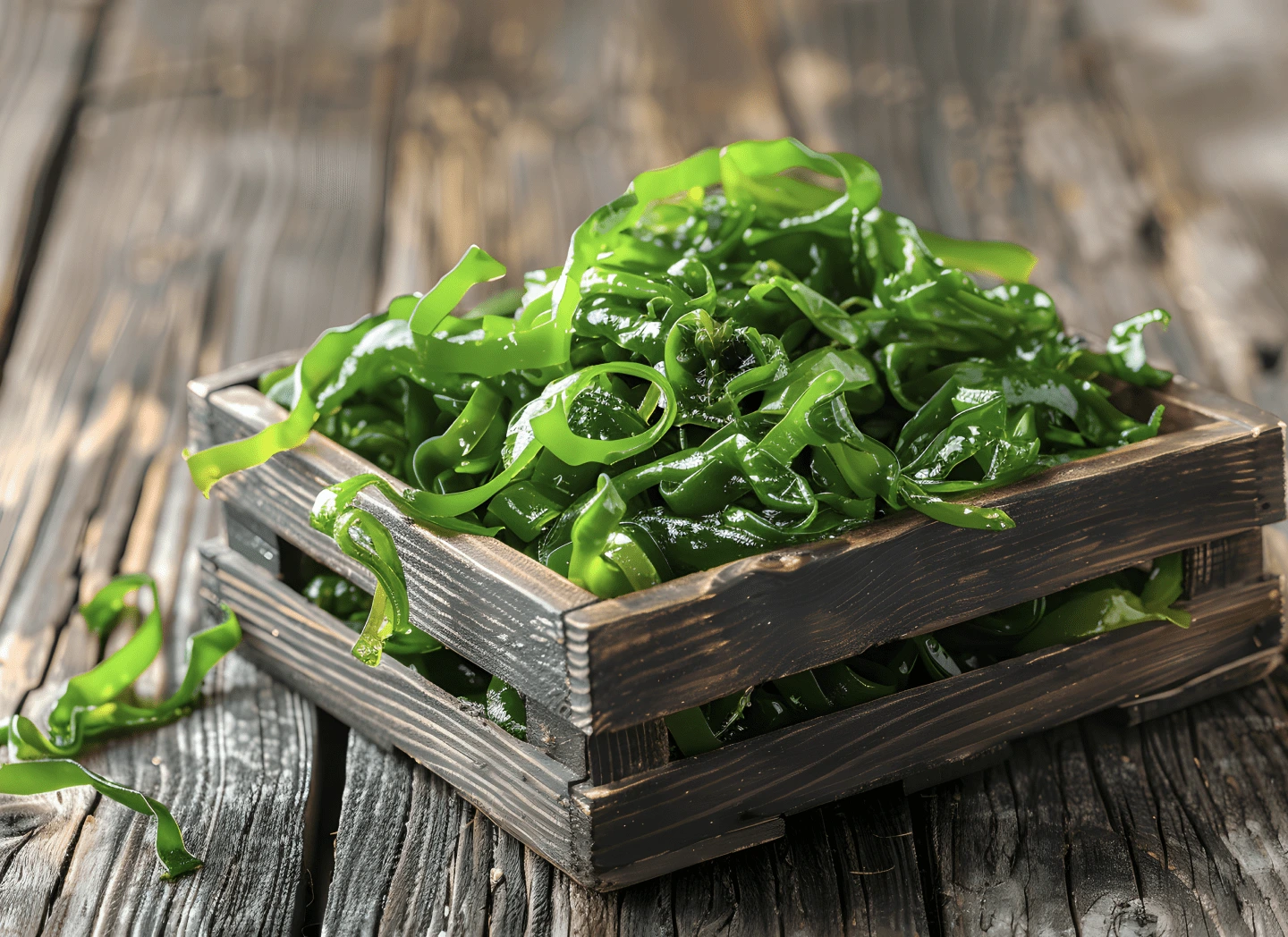
Wakame appears as an extract made from the leaf. It is another seaweed ingredient, and its extract form distinguishes it from the simple powders elsewhere on the list. OptiPlax includes wakame as part of the combined blend rather than offering it as a separately measured product.
When reading an extract entry, keep the details the label actually gives in view. Wakame's name and plant part are listed, but a separate extract ratio or milligram amount is not. Those missing quantities cannot be inferred from the position of the ingredient on the page or from an image of the plant.
Astaxanthin from algae
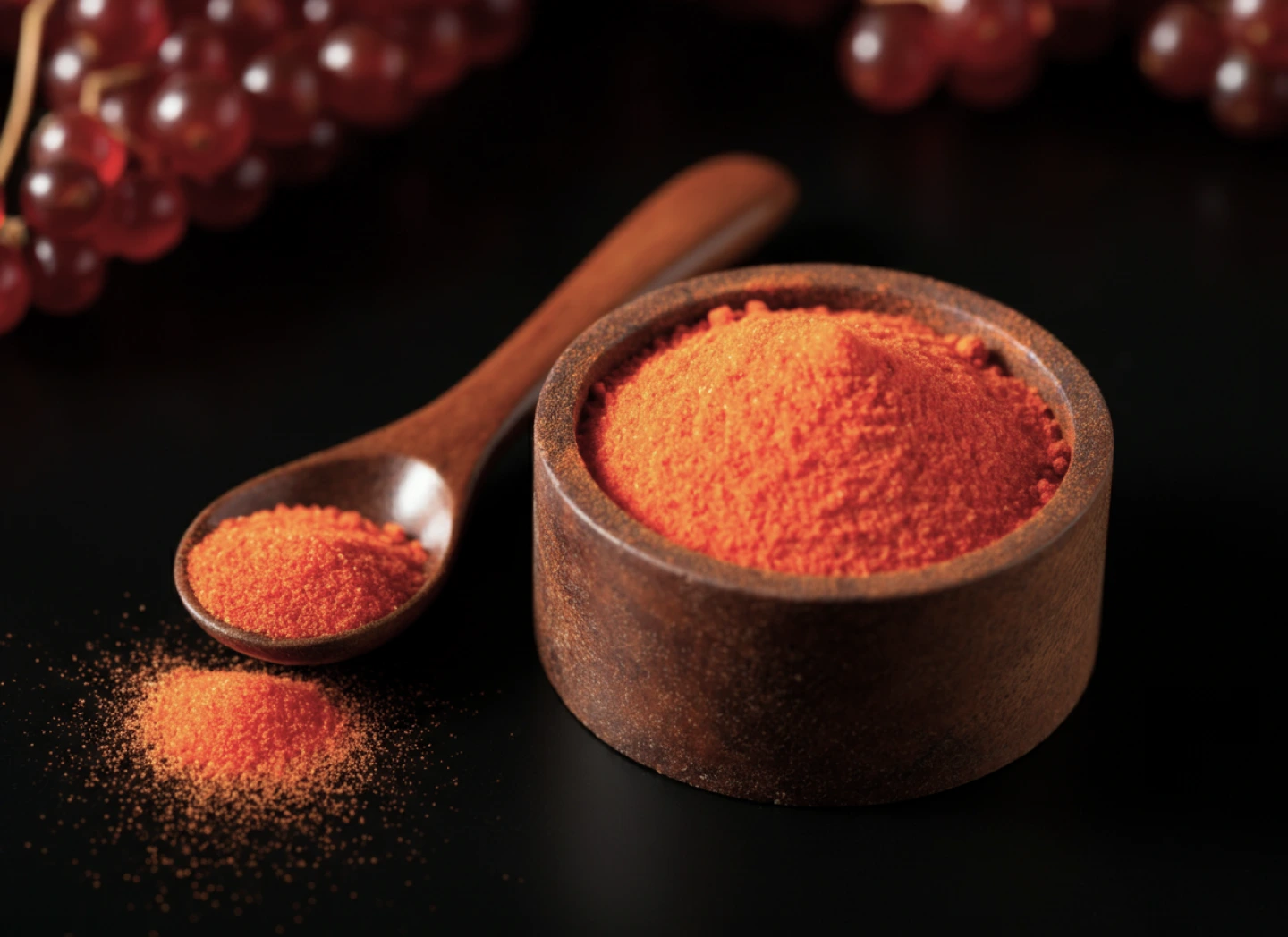
The astaxanthin entry specifies 2% and identifies Haematococcus pluvialis algae. This is an ingredient specification within the proprietary blend. It does not mean that a capsule contains two milligrams of astaxanthin, and it does not justify applying two percent to the entire 500 mg capsule blend to derive a dose.
The actual amount of the astaxanthin-containing ingredient would be needed for that calculation, and it is not individually disclosed. This is a useful distinction when comparing a blended product with a standalone astaxanthin supplement that states the active amount directly. OptiPlax should be evaluated as the combined formula described on its panel.
Chlorella powder
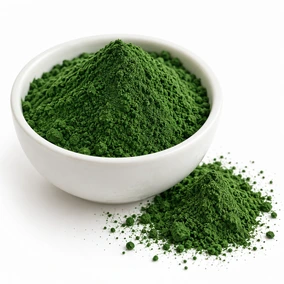
Chlorella is listed as a powder and is one of the formula's microalgae components. It sits alongside several seaweed extracts, giving the ingredient list more variety than a single-source algae supplement. The label identifies chlorella by name without assigning it an individual serving amount.
A capsule format also matters to how you understand this ingredient. OptiPlax is not a container of chlorella powder to scoop into food; chlorella is one part of a measured blend already enclosed in the capsule. Follow the product's serving directions rather than the directions for a different standalone powder that happens to share this ingredient.
Ecklonia cava brown seaweed extract
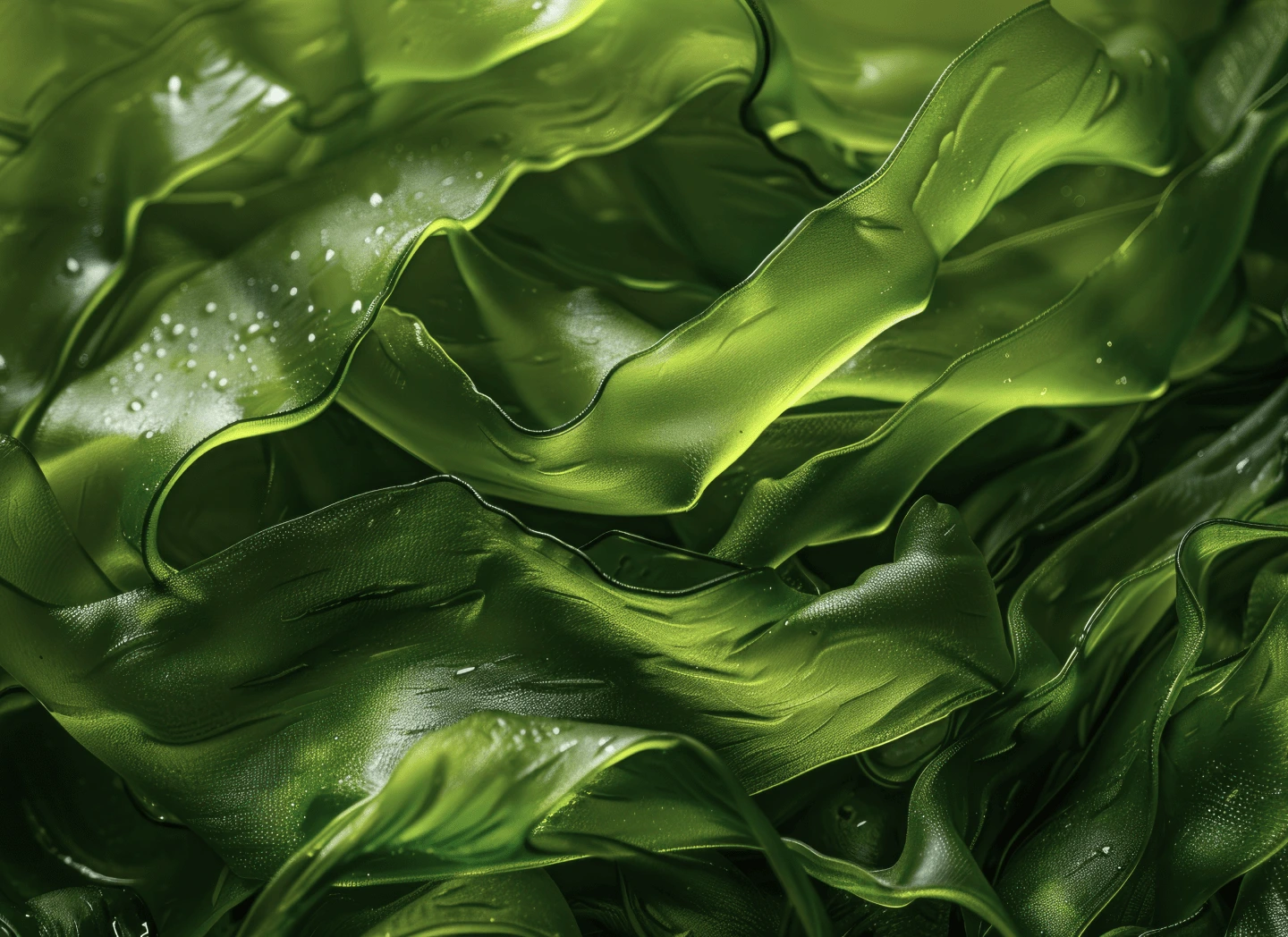
Ecklonia cava is expressly identified as a brown seaweed extract. It is its own ingredient, separate from kelp and wakame. Reading the botanical name helps prevent several different seaweed components from being collapsed into one vague description such as marine plants.
OptiPlax includes the extract as part of its daily vision-support formula. The label does not establish a separate dose, extraction ratio or clinical outcome for this component. For a comparison between supplements, record the precise ingredient name and the fact that the amount is included within a proprietary blend rather than treating every seaweed extract as equivalent.
Kelp extract with fucoxanthin
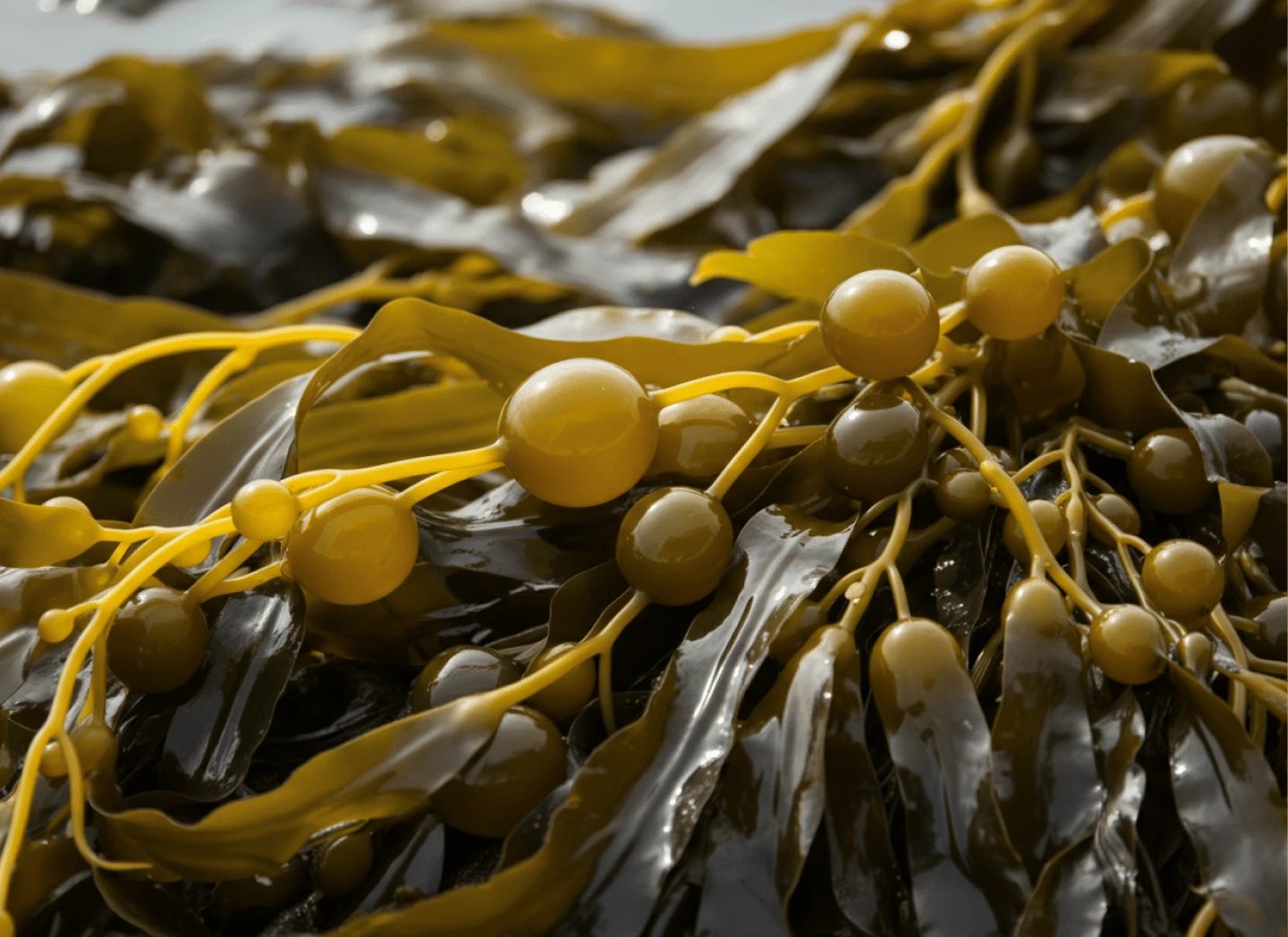
The later kelp entry names Laminaria japonica and a standardization of 10% fucoxanthin. This is different from the kelp powder at the beginning of the list. Standardization describes a feature of this extract, which is why retaining the complete wording helps distinguish the two components.
The ten-percent statement applies to the kelp extract, not to the whole capsule. Because the extract's individual weight is not listed, the panel does not let you calculate the total milligrams of fucoxanthin per serving. Keep percentage specifications and serving amounts separate when comparing labels so a clear number is not mistaken for a disclosed dose.
Nori yaki powder
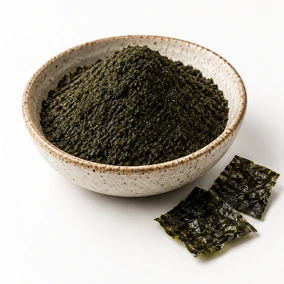
Nori yaki is included as a powder. It adds another named seaweed component to the blend, alongside the kelp entries, wakame and Ecklonia cava. Its appearance near the end of the ingredient list does not remove the need to consider it when reviewing the complete product.
For someone avoiding an ingredient or checking a product with a clinician, the full list is more useful than a five-ingredient promotional summary. Include nori yaki in that discussion, even when it is not highlighted on the front of the bottle. The formula remains a single combined serving rather than a menu of optional components.
Spirulina powder
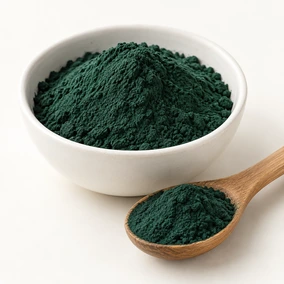
The label lists spirulina powder and identifies whole-plant material. Spirulina contributes another algae-related ingredient to the formula. It is distinct from chlorella, and the two names should not be used interchangeably in a description of what OptiPlax contains.
As with the other ingredients, the panel provides no individual milligram amount. The whole-plant wording identifies the described material rather than an instruction to consume a separate food portion. If you already use a spirulina supplement, include that product when asking a professional to review your combined supplement routine instead of considering the OptiPlax capsule in isolation.
Sea buckthorn oil and the capsule
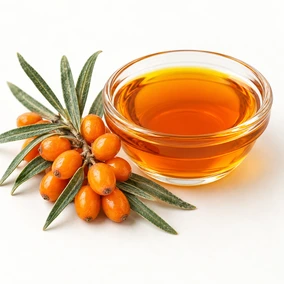
Sea buckthorn oil completes the proprietary blend. Its oil form and botanical origin distinguish it from the seaweed and algae ingredients. The label gives no separate oil quantity, so it cannot be equated with a standalone oil serving based only on the ingredient name.
Outside the blend, gelatin forms the capsule shell. This makes OptiPlax unsuitable for a strict vegan capsule preference. Brown rice flour and silicon dioxide are also listed. Read these other ingredients as part of the product, not as optional extras: they matter when checking personal dietary requirements, ingredient sensitivities or the exact contents to discuss with a professional.
Put the label into a daily plan
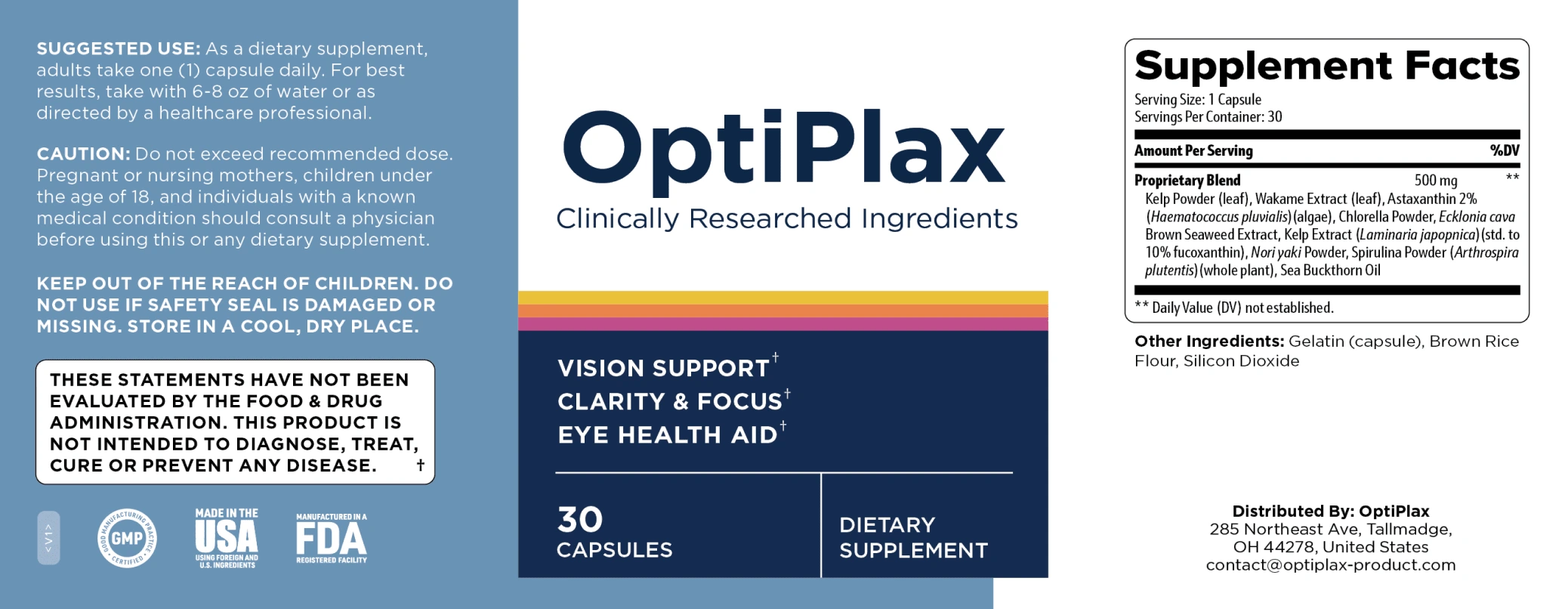
The suggested adult serving is one capsule daily with six to eight ounces of water, or as directed by a healthcare professional. Thirty servings per bottle makes the available supplies easy to calculate: sixty days for two bottles, ninety for three and one hundred eighty for six. Package size does not change the formula or serving size.
Do not exceed the recommended dose. Keep the product cool and dry, away from children, and do not use it if the safety seal is missing or damaged. For pregnancy, nursing, medication use or a medical condition, show the full label to your clinician before use. The label image below keeps the composition and precautions together for easy reference.